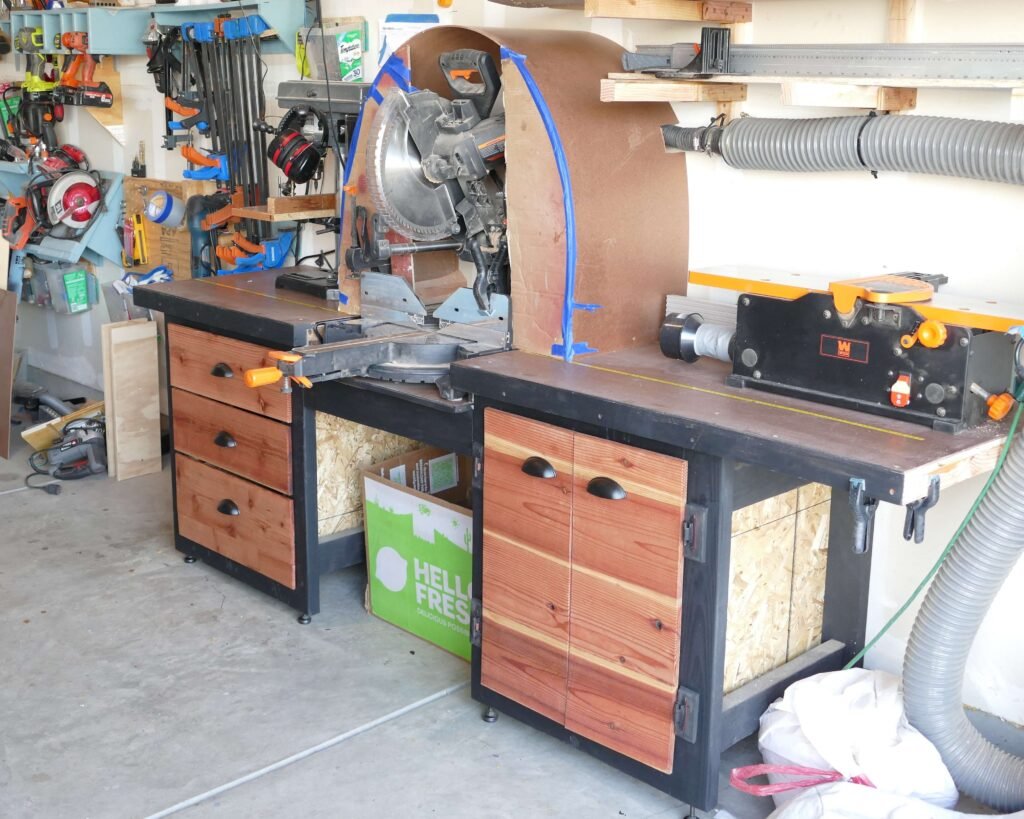
Most of us are not working in huge dream workshops. We are working in garages, sheds, or whatever corner of space we can claim for a few hours. The good news is you do not need a massive shop to build useful projects. You just need a setup that works properly for the kind of woodworking you actually do.
This post is about setting up a small woodworking shop in a practical way so the space feels usable, safe, and easy to work in without filling every inch with tools.
Start With a Simple Plan
A small shop feels cramped fast when tools just get dropped wherever they fit. It works much better when you start with a few clear priorities:
- A solid place to work
- A sensible main cutting setup
- Storage that keeps the floor clear
- Enough light and power to work safely
- A dust plan that matches the space
You do not need everything on day one. You need the basics to work well.
Think About Workflow Early
Even in a small shop, workflow matters. You want the space to make sense when wood moves through it.
- Keep timber storage easy to reach
- Put your main cutting area where it is not constantly blocked
- Leave some room for assembly and bench work
- Store the less-used tools away from the main active zone
If you spend half your time moving things just to make one cut, the shop setup still needs work.
Put Bigger Items on Wheels if You Can
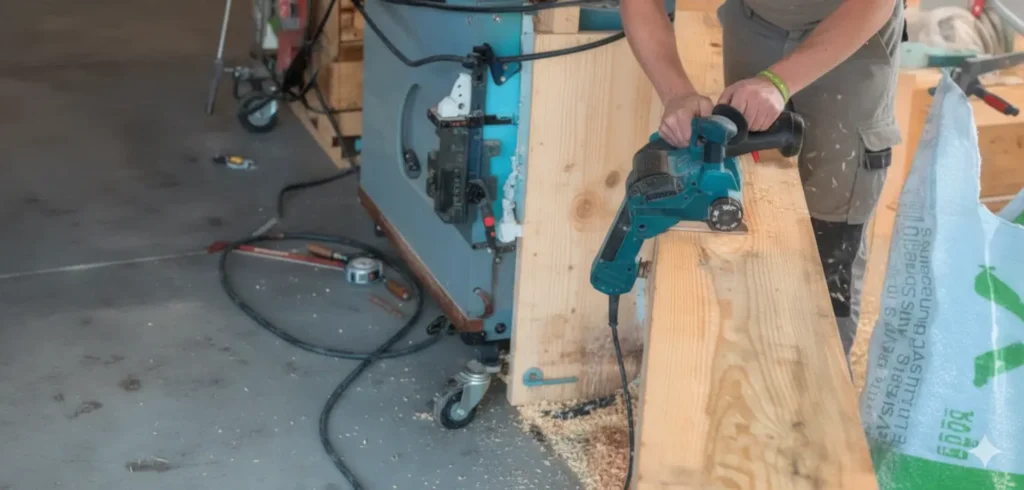
In a small garage shop, mobility helps more than people expect. If a bench, cart, or tool can roll out when needed and tuck back out of the way later, the whole space becomes easier to use.
- Workbenches
- Jobsite table saws
- Scrap bins
- Support stands and small tool carts
Locking casters can make a small shop much more flexible without adding more space.
Use the Walls Properly
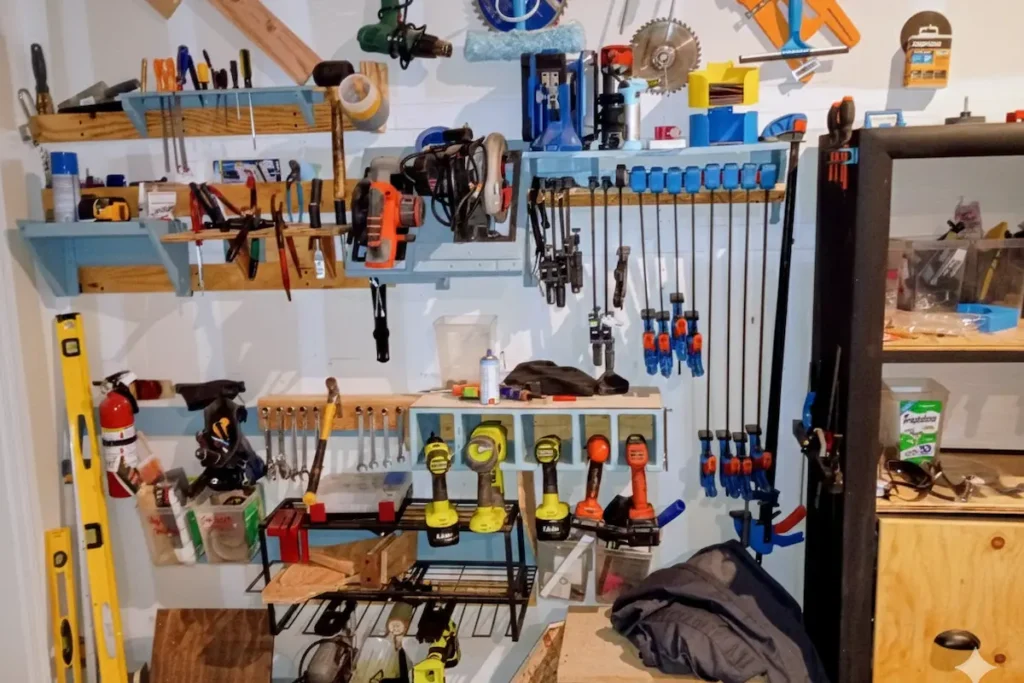
When floor space is limited, wall space becomes more important. Getting tools, jigs, and bits of storage up onto the walls can change how the whole shop feels.
- French cleats for tools and jigs
- Shelves above benches
- Clamp storage where it is easy to grab
- Overhead storage for longer timber if the space allows it
The less clutter that lives on the floor, the bigger the shop feels.
Dust Matters More in a Small Shop
In a tighter space, dust builds up faster and hangs around longer. That is why some kind of dust plan matters, even if the shop is simple.
- Connect tools to extraction where you can
- Keep cleanup simple and easy to do often
- Use airflow and ventilation where possible
- Do not let fine dust become normal just because the shop is small
If dust control is part of the plan, this post may help: HERCULES Dust Extractor Review for a Small Garage Workshop.
Keep the Tool List Realistic
A small shop works better when it is built around the tools you really use, not the ones you think you might need someday.
- A decent workbench or portable bench
- A main cutting tool setup
- A drill and core handheld tools
- Basic sanding and clamping gear
- Storage for the tools you actually reach for most
That will get most hobbyists a lot further than trying to copy a massive professional shop layout.
A Small Photo or Project Corner Helps Too
You do not need a full studio, but it helps to keep one area clean enough for finished projects, quick photos, or filming part of a build. That is especially useful if your site and YouTube channel are part of the plan.
If you are still deciding what projects fit a small setup best, read this next: Woodworking Projects That Can Sell From a Small Garage Shop.
What Helps Most in the End
A small woodworking shop improves when the setup removes friction. You want less moving things around, less hunting for tools, less clutter on the floor, and less dust building up where you work. That is what makes a small shop feel bigger than it really is.
If you want more layout ideas, this goes well with it: Woodworking Shop Layout Ideas for a Small Garage Shop.
More Posts You May Want to Read
- Woodworking Shop Layout Ideas for a Small Garage Shop
- DIY Portable Workbench for a Small Garage Shop
- Best Beginner Table Saw on a Budget for a Small Garage Shop
- HERCULES Dust Extractor Review for a Small Garage Workshop
- Why a Woodwork Shop Can Benefit From a 3D Printer
If you want more practical garage-shop builds, tool ideas, and woodworking as I learn along the way, you can subscribe to my YouTube channel here.